
Social policy bonds were invented by economist Ronnie Horesh, who defines them as follows:
"Social Policy Bonds are non-interest bearing bonds, redeemable for a fixed sum only when a targeted social objective has been achieved. The bonds are backed by government or private bodies, auctioned on the open market, and freely tradable at all times. "
For example, a social policy bond created to incentivize a cure for aging (aka a “lifebond" might look something like this:
Terms: This bond pays out if Elon Musk is alive and healthy on Jan. 1, 2045 (See full details below).
Deadline: Jan. 1, 2045
Judges:
[
▶ Watch on YouTube
]
Payment: $100.
Return address: [wallet address]
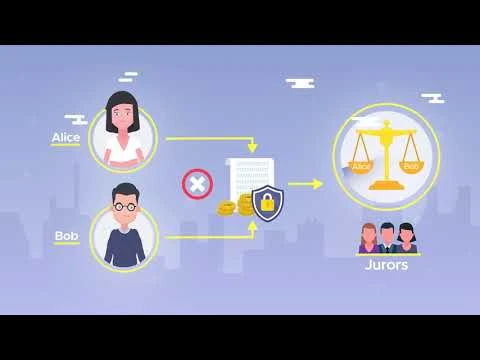
Elon would be incentivized to back such bonds in order to incentivize people to figure out how to slow / stop the aging process so that he's alive and healthy on Jan. 1, 2045.
People who think they can help meet the terms of the prize will buy the bonds at auction.
If the terms are of the prize are met by the deadline, the owner of the bond gets $100.
If the terms aren't met by the deadline, the bond expires and the donated funds automatically return to the donor's return address.
Unlike traditional prizes--which pay only the winning team--social policy bonds pay their owners when anyone, anywhere meets the terms of the prizes. As a result, everyone who owns the bonds is incentivized to share information as quickly and widely as possible.
In broad terms, here's how to implement social policy bonds:
Define the terms of the bond. How would you objectively decide if the terms had been met? Who will judge whether the terms had been met?
Find a 501c3 corporation to act as your fiduciary sponsor, and/or create 501c3 non-profit foundation to handle tax deductible donations.
Recruit software developers to write the smart contract for the bonds.
Recruit trusted judges to judge the terms of the bond.
Have experience SPB creators review the terms of your bond.
Spread the word about the idea. Get feedback on the plan, order of operations, recruit volunteers, etc.
As donations flows in, create social policy bonds that are backed by the donations.
Auction off the bonds on a regular basis (daily, monthly, etc).
When someone thinks they've met the terms of one of the prizes, ask the bond review their supporting documentation, and make a judgement regarding whether the terms of the bond have been met.
If the terms have been met, trigger the release of the funds to the bondholders.
Want to stay in touch? You can reach me in a variety of ways from my Contact page.