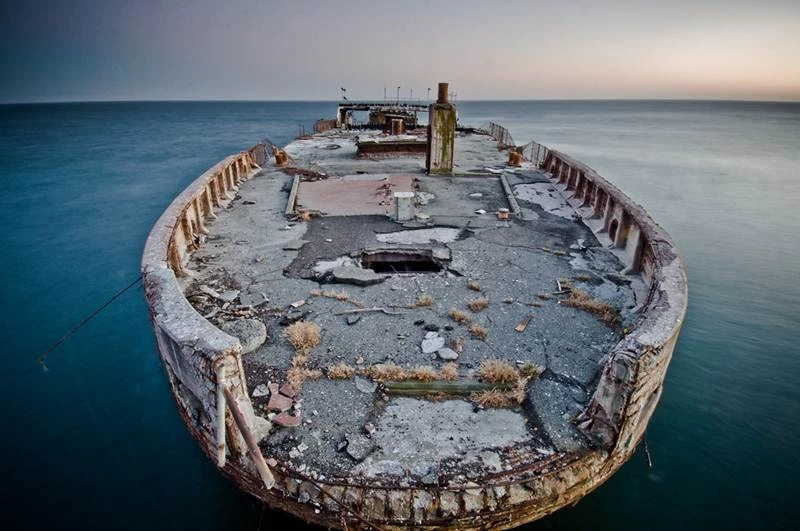
A sad end for the innovative Cape Romano sea domes.
The homes could've survived, had the builder done a few things differently:
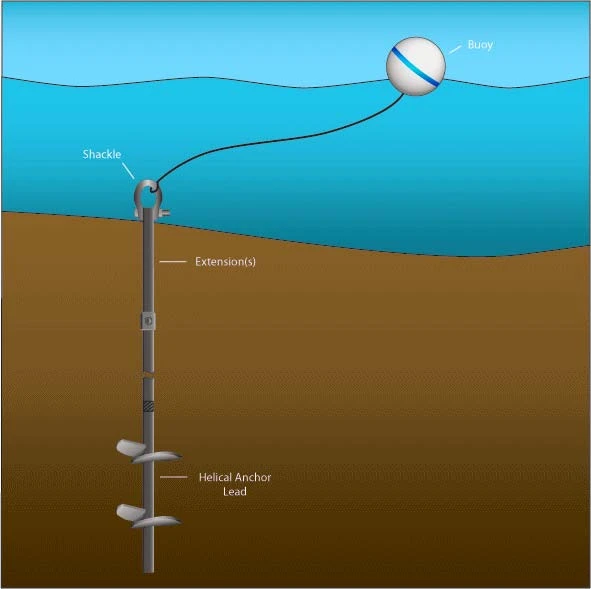
Anchor the homes on hurricane resistant moorings instead of fixed pillars. This would've allowed them to move the homes as the sea bed, water levels, and shoreline changed.
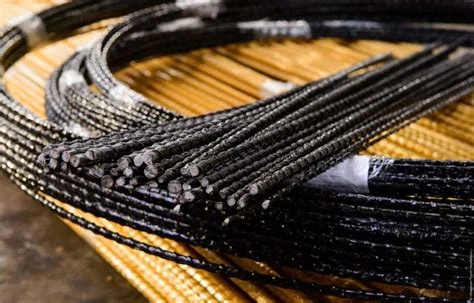
Use fiberglass / basalt reinforcement instead of steel for reinforcement. Untreated cement is porous, so water eventually reaches the steel and causes it to rust. Rusted steel expands, which puts tremendous tensile pressure on cement. Cement is weak under tensile forces, and spalls (crack and break off), which eventually causes more steel to be exposed.
If you do use steel reinforcement, don't use unwashed beach sand to make the concrete. Beach sand typical contains chlorides which will attack steel.
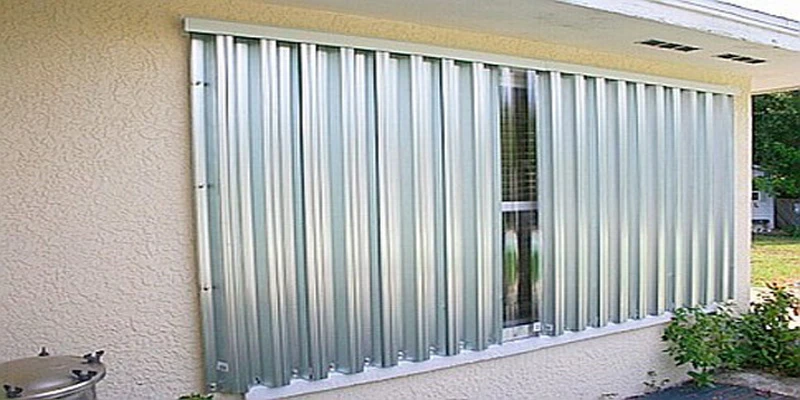
Use hurricane shutters on all the doors, windows, vents, and other entry ways. This would've prevented the hurricanes from damaging the interior.
Make all major interior fixtures (wall panels, cabinets, tables, dressers, etc) with salt water resistant materials (cement, ceramic tile, stainless steel, tempered glass, ETFE, and aluminum). No wood, no sheet rock, no organic fabrics.
Put a high capacity drain in every room.
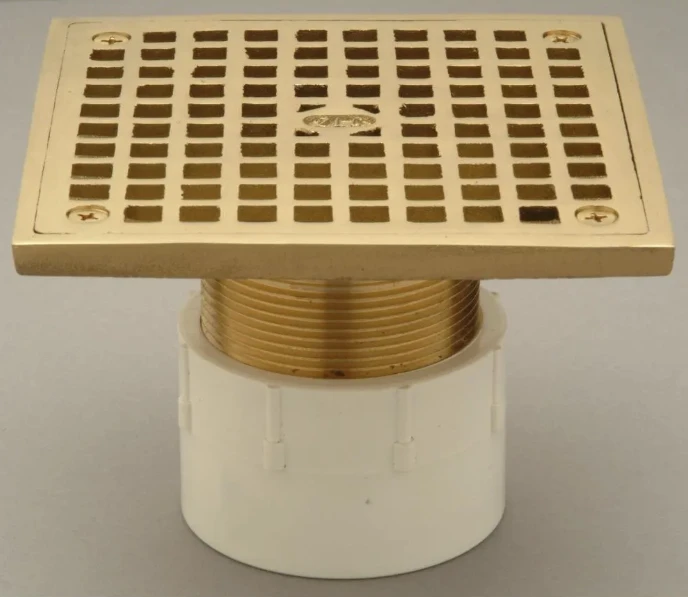
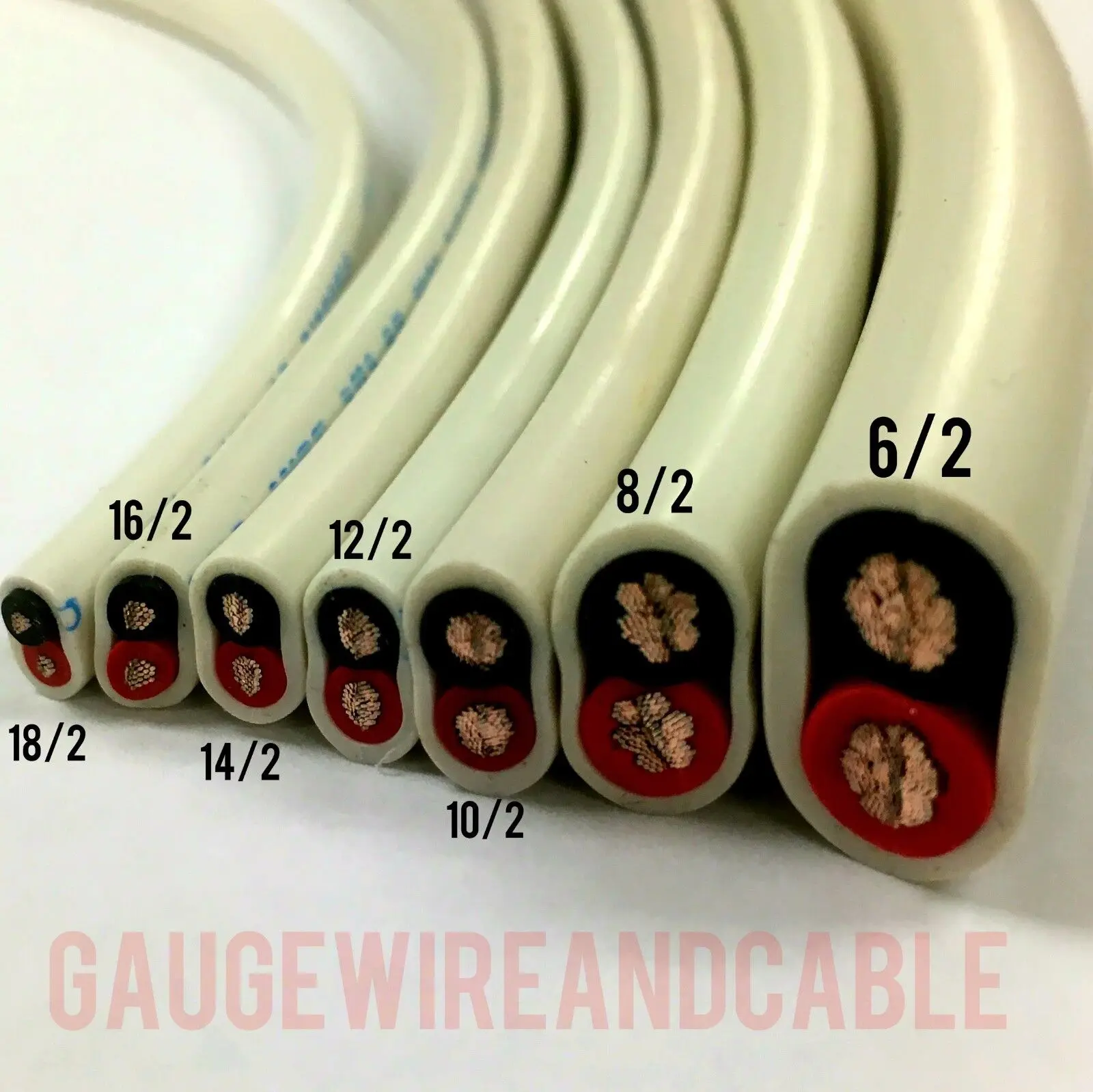
Use marine rated wiring and plumbing fixtures.
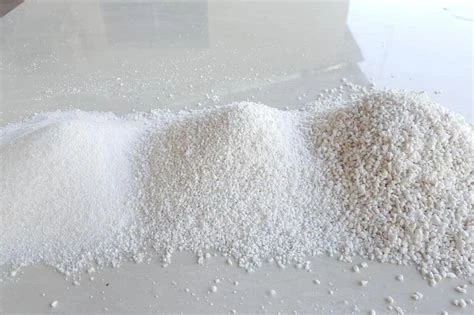
Use styrocrete / closed cell perlite for insulation.
Use additives like Xypex, PVA fibers to make the concrete more resistant to cracking and water intrusion.
An error occurred.
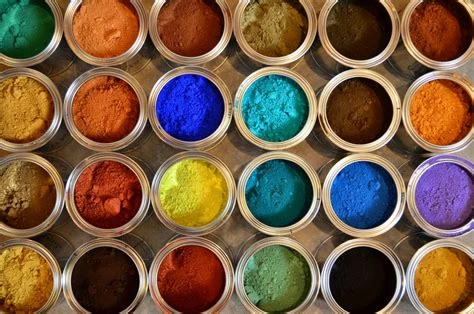
Coat the exterior with silicate mineral coatings. Such coatings chemically bond with cement and are extremely resistant to sun/salt water.
The ocean is a harsh environment, and without regular maintenance, the homes would have been destroyed eventually. But these changes would likely have much extended these homes usable life.
Video montage of the homes construction:An error occurred.
Want to stay in touch? You can reach me in a variety of ways from my Contact page.