
Pro-AI Non-Governmental Organizations
Alliance for the Future (AFTF): Led by executive director Brian Chau, this think tank is dedicated to informed AI optimism and actively works to prevent government overregulation from stalling technological progress [1]. The organization frames AI as a transformative force for humanity and opposes regulatory frameworks that mirror the stagnation seen in the nuclear power industry.
AI Freedom Alliance (AIFA): This independent body champions AI adoption through shared ethical standards that empower individual users over large tech conglomerates [2]. They advocate for the rights of small-to-medium businesses to access and deploy frontier models without being hampered by safety regulations that favor incumbent players.
Human Rights Foundation (AI for Individual Rights): This program is dedicated to the proliferation of open-source AI tools designed to liberate individuals living under authoritarian regimes [3]. They view AI as a critical tool for privacy and dissent, funding developers who build secure, decentralized alternatives to government-monitored systems.
Consumer Technology Association (CTA): Representing thousands of technology companies, the CTA actively lobbies against regulatory red tape that could stifle innovation [4]. Their AI Working Group promotes a national policy framework that prioritizes American competitiveness and prevents a restrictive patchwork of state-level laws.
Foundation for American Innovation (FAI): Formerly known as the Lincoln Network, this organization works at the intersection of technology and public policy [5]. They emphasize maintaining American technological leadership and often argue against heavy-handed regulations that might stifle the startup ecosystem or open-source development.
Abundance Institute: This think tank focuses on abundance-based policy frameworks [6]. Their mission centers on identifying and removing legal and regulatory barriers to emerging technologies, including AI, to foster a future of economic and technological plenty.
R Street Institute: While a broad free-market think tank, their Technology & Innovation department is a prominent voice in the AI debate [7]. They frequently champion the concept of permissionless innovation and warn against the “Brussels Effect”—the tendency for restrictive European regulations to become global standards.
Mercatus Center at George Mason University: The Mercatus Center is the intellectual home of permissionless innovation research [8]. Their work focuses on how market-driven innovation, rather than central planning, provides the best path for safe and beneficial technology.
Related Advocacy and Industry Groups
NetChoice: This trade association is a major player in the judicial fight against tech regulations [9]. They often litigate against state and federal laws that they believe infringe on the rights of developers or impede the growth of the digital economy.
Americans for Prosperity (AFP): This grassroots advocacy organization argues that the most effective guardrails for AI are existing laws and market competition rather than new, specialized regulatory agencies [10].
Pro-AI Political Action Committees
Leading the Future (LTF): This is the primary national super PAC supporting pro-innovation AI candidates, launched in 2025 with 100 million in committed backing [11]. It operates as a network including the American Mission PAC and the Think Big PAC to resist regulations that could cede global superiority to adversaries [12].
Mobilizing Economic Transformation Across (META) California: Launched by Meta, this super PAC focuses on the California political landscape to elect candidates who prioritize technology growth over restrictive state-level safety audits [13].
The American Technology Excellence Project (ATEP): This Meta-funded national super PAC influences state-level AI policy across the U.S. to counter conflicting state regulations that hamper deployment [14].
Pro-AI Politicians and Strategic Targets
Rep. Josh Gottheimer (D-NJ): A co-chair of the House Democratic Commission on AI who supports business interests and co-sponsored legislation to exempt financial services from certain AI regulations [15].
Rep. Jay Obernolte (R-CA): Chair of the bipartisan Task Force on Artificial Intelligence, Obernolte advocates for a light-touch regulatory approach focusing on harmful outcomes rather than the technology itself [16].
Sen. Mike Rounds (R-SD): A leader in Senate AI efforts who introduced legislation to create regulatory sandboxes for AI testing to maintain a competitive global edge [17].
Rep. Ted Lieu (D-CA): Co-chair of the House AI Task Force and a longtime ally of Silicon Valley who advocates for sensible innovation-friendly guardrails [15].
Rep. Zoe Lofgren (D-CA): A key figure in the House Democratic Commission on AI with a history of opposing broad regulatory restrictions on tech platforms [18].
Rep. Ritchie Torres (D-NY): A bipartisan leader promoting AI innovation in the financial sector to ensure oversight does not outpace private innovation [17].
Chris Gober (Candidate, TX-10): Officially endorsed by the American Mission PAC, his platform emphasizes American AI leadership and resistance to federal mandates [19].
Alex Bores (NY - Opposition Target): The Think Big PAC has designated Assemblymember Alex Bores as a target for defeat due to his leadership in passing the RAISE Act [20].
[1] Brian Chau, Alliance for the Future Manifesto, Alliance for the Future, 2024. This founding document outlines the organization’s commitment to informed AI optimism and its goal to prevent regulatory capture and technological stagnation. https://www.affuture.org/manifesto/
[2] AI Freedom Alliance, About AIFA, AI Freedom Alliance, 2025. This source describes the organization’s focus on decentralized AI access and its opposition to regulatory capture by major tech firms.
[3] Human Rights Foundation, AI for Individual Rights: Empowering Dissent, HRF, 2025. This source outlines how the foundation supports open-source AI as a mechanism for circumventing state surveillance and censorship. https://hrf.org/programs/ai-for-individual-rights
[4] Consumer Technology Association, AI Policy Principles and Regulatory Framework, CTA, 2025. This document highlights the CTA’s advocacy for a unified federal approach to AI to avoid fragmented state regulations. https://www.cta.tech/Resources/Standards/AI-Policy-Principles
[5] Foundation for American Innovation, About Us, FAI, 2025. FAI advocates for technological leadership by bridging the gap between Silicon Valley and D.C. while opposing startup-stifling mandates. https://www.thefai.org/about
[6] Abundance Institute, Mission and Focus, Abundance Institute, 2025. This think tank promotes policies that remove legal obstacles to emerging technologies to ensure long-term economic growth. https://abundance.institute/about
[7] R Street Institute, AI and Innovation Policy, R Street Institute, 2025. R Street champions market-driven technological progress and warns that mirroring EU regulations would degrade American competitiveness. https://www.rstreet.org/issue/technology-innovation/
[8] Mercatus Center, Artificial Intelligence and the Future of Governance, George Mason University, 2024. This research center argues that market-driven innovation provides a more effective path for safe technology than centralized planning. https://www.mercatus.org/bridge/tags/artificial-intelligence
[9] NetChoice, Artificial Intelligence: Protecting Innovation, NetChoice, 2025. As a trade association, NetChoice litigates against regulatory overreach to protect the rights of developers and the digital economy. https://netchoice.org/issues/ai/
[10] Americans for Prosperity, AI and the Future of Freedom, AFP, 2025. AFP argues that existing legal frameworks are sufficient for AI oversight and that new regulatory agencies would only hinder progress. https://americansforprosperity.org/issue/technology/
[11] Mike Kaput, A 100 million AI Super PAC Is About to Reshape US Elections, Marketing AI Institute, 2025. This article outlines the launch of Leading the Future and its mission to protect AI advancement from regulatory overreach. https://www.marketingaiinstitute.com/blog/ai-super-pac
[12] PR Newswire, AI Industry Launches “Leading the Future” to Drive U.S. AI Leadership, PR Newswire, 2025. This press release provides the mission statement and leadership roster for the national AI political operation. https://www.prnewswire.com/news-releases/ai-industry-launches-leading-the-future-to-drive-us-ai-leadership-economic-growth-national-security-and-innovation-302537548.html
[13] Built In, What Pro-AI Super PACs Could Mean for AI Regulation, Built In, 2025. This report describes Meta’s electoral strategy in California to block state-level safety bills viewed as overly restrictive. https://builtin.com/artificial-intelligence/ai-super-pacs-2026-midterm-election-regulation
[14] Future Caucus, Lawmakers face mounting tech opposition over AI rules, Future Caucus, 2025. This source discusses the American Technology Excellence Project and its role in countering state legislators. https://futurecaucus.org/lawmakers-face-mounting-tech-opposition-over-ai-rules/
[15] The American Prospect, Democratic Voters Are Clamoring for AI Regulation. Their Leaders Aren’t Interested, The American Prospect, 2025. This article identifies Josh Gottheimer and Ted Lieu as industry-friendly Democrats who prioritize innovation. https://prospect.org/2025/12/12/democratic-voters-clamoring-for-ai-regulation-leaders-arent-interested/
[16] The Federalist Society, Congress Elevates Interest in AI, Federalist Society, 2025. This report profiles Jay Obernolte’s leadership of the AI Task Force and his light-touch regulatory philosophy. https://fedsoc.org/commentary/fedsoc-blog/congress-elevates-interest-in-ai
[17] Senator Mike Rounds, Rounds Reintroduces Legislation Supporting AI Innovation, Rounds.senate.gov, 2025. This press release outlines the senator’s framework for encouraging AI experimentation in the financial sector. https://www.rounds.senate.gov/newsroom/press-releases/rounds-reintroduces-legislation-supporting-ai-innovation-in-financial-services
[18] Congresswoman Zoe Lofgren, Leader Jeffries Announces New House Democratic Commission on AI, Lofgren.house.gov, 2025. This release confirms Lofgren’s role in maintaining America’s competitive edge in the innovation economy. https://lofgren.house.gov/media/press-releases/leader-jeffries-announces-new-house-democratic-commission-ai-and-innovation
[19] Club for Growth, 2026 Club for Growth PAC-Endorsed Candidates, Club for Growth, 2025. This list confirms the endorsement of Chris Gober by the American Mission PAC. https://www.clubforgrowth.org/elections/pac-endorsed-candidates/
[20] Wikipedia, Leading the Future, Wikipedia, 2026. This entry notes that the Think Big PAC has specifically targeted Assemblymember Alex Bores for his role in sponsoring state-level AI safety legislation. https://en.wikipedia.org/wiki/Leading_the_Future
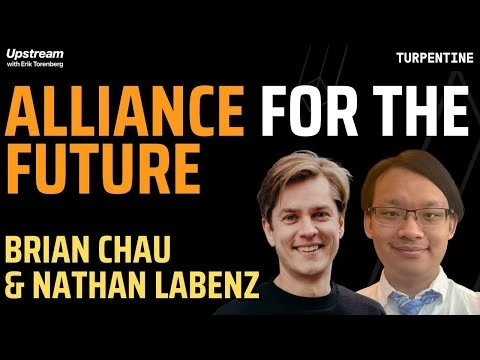
▶ Watch on YouTube
This video features the founder of the Alliance for the Future discussing his work in Washington to promote pro-innovation AI policies.
Want to stay in touch?
Join my Signal announce-only group to be notified when I have a new essay up and other important announcements.
For discusion, join the libertygardeners Signal group.
Subscribe to my mailing list.
Email: [email protected]
Signal: archerships.43
Other social media:
Want to stay in touch? You can reach me in a variety of ways from my Contact page.