▶ Watch on YouTube
#seasteading
#epscrete
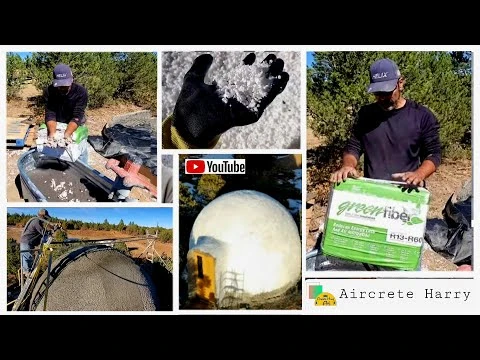
EPIC stands for Expanded polystyrene Paper Infused Cement. It's an experimental building material that was developed by Dave Pennington to build low cost aquaculture pens, and is being popularized by "Aircrete" Harry.
Be sure to subscribe to "Aircrete" Harry's Youtube channel for a number of videos on how to build with the material:
https://www.youtube.com/user/Cncdesignwork
EPIC has a number of nice properties for the DIY builder, including:
1. Inexpensive (EPS foam, and scrap paper are available for free, and concrete is cheap)
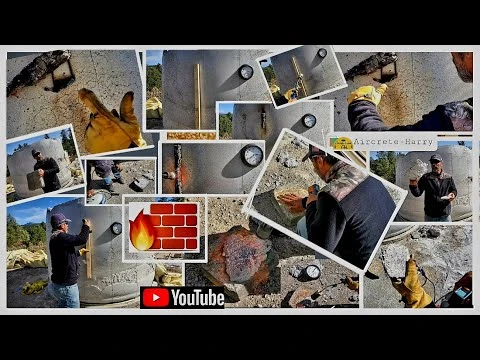
2. Fire resistant
3. Light weight (floats on water)
4. Insulative
5. Easily worked (you can pour it like concrete, or apply it like cob). Once cured, you can screw into with wood screws or cut and shape it with commonly available woodworking tools
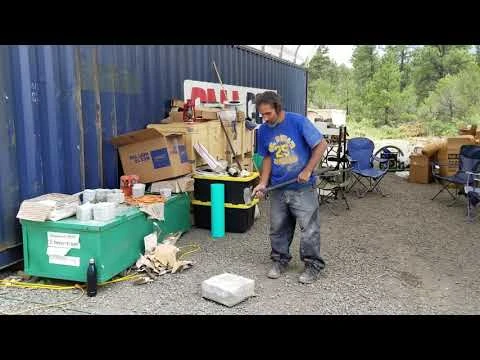
6. Strong (resists repeated sledgehammer blows)
7. Relatively non-toxic.
The recipe consists of shredded EPS foam beads, paper pulp, and cement in various proportions to achieve different strengths / insulation / weight. More EPS foam increases insulation value, and decreases weight, but also decreases strength.
Tools:
safety glass
9 mil nitrile gloves
face mask
double paddled mortar mixer
55 gallon drum
livestock tank
5 gallon bucket
trowel
sponge
cement mixing tub
eps foam shredder
Materials:
paper pulp
EPS foam beads
cement, either Ordinary Portland Cement (OPC) or Calcium Sulfo-Aluminate (CSA) cement
water
set retarder (optional)
superplasticizer (optional)
reinforcement, such as stucco mesh, chicken wire, basalt mesh, expanded metal lath (optional)
formwork or mold
Procedure:
1. Fill the feed stock tank half full of water. Begin adding the paper mulch to the tank, mixing as you go, with the mortar mixer. Add enough paper to form an oatmeal-like slurry.
2. Add two 5 gallon buckets of the paper slurry to a 55 gallon drum. Slowly add a 55 lb bag of Ordinary Portland Cement to the paper slurry, mixing as you add it.
3. Mix for about 1-2 minutes, until the paper fibers are thoroughly coated with the cement paste.
4. Add shredded EPS beads, mixing as you go. Mix it slowly at first, then increase speed.
5. The more EPS beads you add, the lighter, and more insulating the mix will be. The less EPS you add, the stronger and heavier the mix will be. Here are the ratios to achieve different strengths:
Balsa 5+ buckets.
Pine 4 buckets
Yellow Pine 3 buckets
Oak 2 buckets
Iron wood 2 buckets + Rapid Set Cement
6. Pour the mix into your form. Press any reinforcement (such as basalt mesh, expanded metal lathe, etc) into the wet mix, and use the trowel to push it down and smooth over it.
If you don't want to use EPS, you can substitute perlite on a roughly 1.2:1 basis for the foam. Perlite is a natural material. It's a lightweight volcanic rock that is formed when lava foam cools. The perlite is denser than EPS foam, so you need to add more to achieve the same level of insulation.
If you want a stronger, faster setting mix you can use Rapid Set Cement All Non-Shrinking Grout instead of Ordinary Portland Cement. Rapid Set Cement is a Calcium Sulfoaluminate (CSA) cement, which relies on a different chemistry from Ordinary Portland Cement.
CSA cement has a number of advantages relative to OPC:
* Stronger. When fully cured, CSA cement reaches a compressive strength of 9000 psi vs the 3500-4500 psi achieved with OPC.
* CSA cement also sets up rapidly. It reaches high strength (4000 psi) in 3 days vs the 28 days for OPC.
* CSA cements are about 30 times less alkaline than OPC, so it is less corrosive to reinforcements like fiberglass.
Downsides:
* CSA cement is more costly, about 3X the cost of OPC.
* CSA requires a higher water to cement ratio than OPC, The minimum recommended water to cement ratio (w/c) is 0.35 for CSA, whereas with OPC is around 0.22-0.25.
* CSA sets up very rapidly. At summer temperatures (above 80-85°F), non-retarded CSA concrete made with a w/c ratio of 0.35 can set in as little as 5 minutes. You can add packets of set retarder, which will give you another 10 - 20 minutes of working time.
Additional info:
* Superplasticizers, especially polycarboxylates, and viscosity modifiers work the same with CSA’s as with OPC.
* Most other admixtures (metakaolin, fly ash, VCAS, etc) will not work the same way as they do in OPC. In most cases, they will make the mixture worse, so should not be added.
* Rapid Set Flow Control powder will make the mixture flow better without additional water.
Paper sources:
paper attic insulation (available at Lowes / Home Depot)
hydroseed mulch
scrap paper or cardboard
EPS foam sources:
Rent-A-Center
Tractor Supply
Perlite suppliers:
Hess Expanded Perlite
Persolite
How to mix EPIC concrete
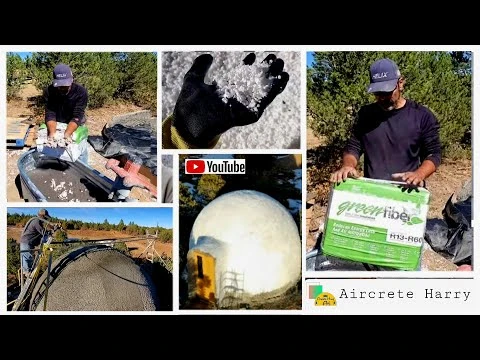
Full video ($45):
https://vimeo.com/ondemand/howtomixepiccement
Sledgehammer test
Burn test
#epscrete
EPIC stands for Expanded polystyrene Paper Infused Cement. It's an experimental building material that was developed by Dave Pennington to build low cost aquaculture pens, and is being popularized by "Aircrete" Harry.
Be sure to subscribe to "Aircrete" Harry's Youtube channel for a number of videos on how to build with the material:
https://www.youtube.com/user/Cncdesignwork
EPIC has a number of nice properties for the DIY builder, including:
1. Inexpensive (EPS foam, and scrap paper are available for free, and concrete is cheap)
2. Fire resistant
3. Light weight (floats on water)
4. Insulative
5. Easily worked (you can pour it like concrete, or apply it like cob). Once cured, you can screw into with wood screws or cut and shape it with commonly available woodworking tools
6. Strong (resists repeated sledgehammer blows)
7. Relatively non-toxic.
The recipe consists of shredded EPS foam beads, paper pulp, and cement in various proportions to achieve different strengths / insulation / weight. More EPS foam increases insulation value, and decreases weight, but also decreases strength.
Tools:
safety glass
9 mil nitrile gloves
face mask
double paddled mortar mixer
55 gallon drum
livestock tank
5 gallon bucket
trowel
sponge
cement mixing tub
eps foam shredder
Materials:
paper pulp
EPS foam beads
cement, either Ordinary Portland Cement (OPC) or Calcium Sulfo-Aluminate (CSA) cement
water
set retarder (optional)
superplasticizer (optional)
reinforcement, such as stucco mesh, chicken wire, basalt mesh, expanded metal lath (optional)
formwork or mold
Procedure:
1. Fill the feed stock tank half full of water. Begin adding the paper mulch to the tank, mixing as you go, with the mortar mixer. Add enough paper to form an oatmeal-like slurry.
2. Add two 5 gallon buckets of the paper slurry to a 55 gallon drum. Slowly add a 55 lb bag of Ordinary Portland Cement to the paper slurry, mixing as you add it.
3. Mix for about 1-2 minutes, until the paper fibers are thoroughly coated with the cement paste.
4. Add shredded EPS beads, mixing as you go. Mix it slowly at first, then increase speed.
5. The more EPS beads you add, the lighter, and more insulating the mix will be. The less EPS you add, the stronger and heavier the mix will be. Here are the ratios to achieve different strengths:
Balsa 5+ buckets.
Pine 4 buckets
Yellow Pine 3 buckets
Oak 2 buckets
Iron wood 2 buckets + Rapid Set Cement
6. Pour the mix into your form. Press any reinforcement (such as basalt mesh, expanded metal lathe, etc) into the wet mix, and use the trowel to push it down and smooth over it.
If you don't want to use EPS, you can substitute perlite on a roughly 1.2:1 basis for the foam. Perlite is a natural material. It's a lightweight volcanic rock that is formed when lava foam cools. The perlite is denser than EPS foam, so you need to add more to achieve the same level of insulation.
If you want a stronger, faster setting mix you can use Rapid Set Cement All Non-Shrinking Grout instead of Ordinary Portland Cement. Rapid Set Cement is a Calcium Sulfoaluminate (CSA) cement, which relies on a different chemistry from Ordinary Portland Cement.
CSA cement has a number of advantages relative to OPC:
* Stronger. When fully cured, CSA cement reaches a compressive strength of 9000 psi vs the 3500-4500 psi achieved with OPC.
* CSA cement also sets up rapidly. It reaches high strength (4000 psi) in 3 days vs the 28 days for OPC.
* CSA cements are about 30 times less alkaline than OPC, so it is less corrosive to reinforcements like fiberglass.
Downsides:
* CSA cement is more costly, about 3X the cost of OPC.
* CSA requires a higher water to cement ratio than OPC, The minimum recommended water to cement ratio (w/c) is 0.35 for CSA, whereas with OPC is around 0.22-0.25.
* CSA sets up very rapidly. At summer temperatures (above 80-85°F), non-retarded CSA concrete made with a w/c ratio of 0.35 can set in as little as 5 minutes. You can add packets of set retarder, which will give you another 10 - 20 minutes of working time.
Additional info:
* Superplasticizers, especially polycarboxylates, and viscosity modifiers work the same with CSA’s as with OPC.
* Most other admixtures (metakaolin, fly ash, VCAS, etc) will not work the same way as they do in OPC. In most cases, they will make the mixture worse, so should not be added.
* Rapid Set Flow Control powder will make the mixture flow better without additional water.
Paper sources:
paper attic insulation (available at Lowes / Home Depot)
hydroseed mulch
scrap paper or cardboard
EPS foam sources:
Rent-A-Center
Tractor Supply
Perlite suppliers:
Hess Expanded Perlite
Persolite
How to mix EPIC concrete
▶ Watch on YouTube
Full video ($45):
https://vimeo.com/ondemand/howtomixepiccement
Sledgehammer test
▶ Watch on YouTube
Burn test
▶ Watch on YouTube