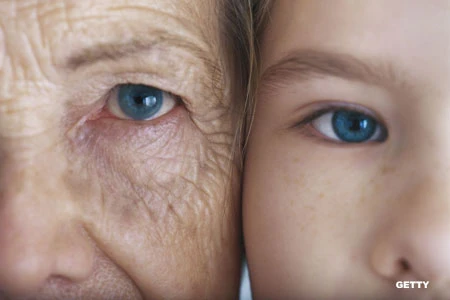
Spending on pet care ($71 billion) in the US dwarfs the _entire_ NIH budget ($31 billion), of which only 3.7% goes to the National Institute of Aging ($1.2 billion). (1), (2)
Yet the potential returns from aging research are enormous:
"Using a model of future health and spending in the USA, the effect of delayed aging resulting in 2.2 years additional life expectancy would yield US$7 trillion in savings over 50 years; whereas addressing single pathologies such as cancer and heart disease would yield less" (3)
(1) https://www.lifeextension.com/magazine/2015/10/billionaire-philanthropists-funding-anti-aging-research
(2) https://www.prnewswire.com/news-releases/americans-are-spending-more-on-pets-than-ever-before-72-billion-300816835.html
(3) https://www.cell.com/trends/biotechnology/fulltext/S0167-7799(17)30171-3
Yet the potential returns from aging research are enormous:
"Using a model of future health and spending in the USA, the effect of delayed aging resulting in 2.2 years additional life expectancy would yield US$7 trillion in savings over 50 years; whereas addressing single pathologies such as cancer and heart disease would yield less" (3)
(1) https://www.lifeextension.com/magazine/2015/10/billionaire-philanthropists-funding-anti-aging-research
(2) https://www.prnewswire.com/news-releases/americans-are-spending-more-on-pets-than-ever-before-72-billion-300816835.html
(3) https://www.cell.com/trends/biotechnology/fulltext/S0167-7799(17)30171-3