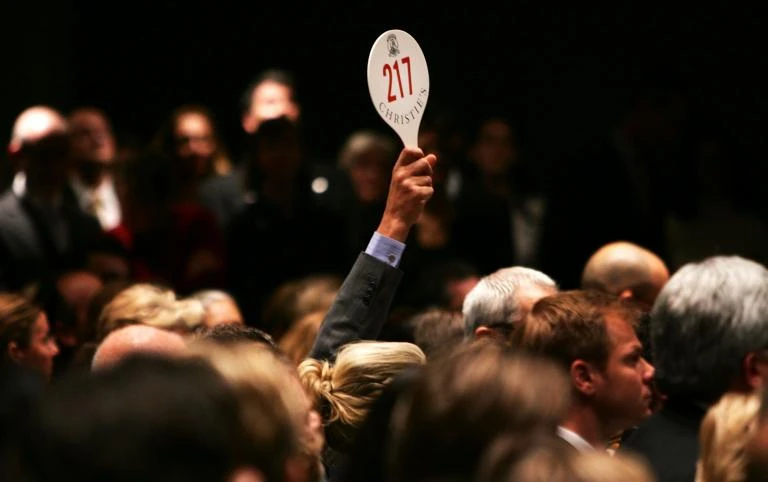
An interesting paper on how best to distribute vaccines.
"A Vaccine Auction by Romans Pancs
Suppose the government has bought forward vaccines from pharmaceutical companies. Howshould the government allocate these vaccines?
When triaging, doctors ask: How to allocate scarce resources to maximize the number of quality adjusted life years saved?
When deciding how much pollution to allow, the EnvironmentalProtection Agency asks: How to balance the number of lives saved (each valued at about ten mil-lion dollars) against the abatement costs?
Imitating either approach in order to allocate vaccinesin a pandemic would be unwise for two reasons:
1. No one apart from the individual himself knows how much he values the life-style of relative freedom afforded by the vaccine relative to the alternative of the social isolation.
2. There are externalities. Prioritizing the protection of the most vulnerable may do little toslow down the spread of the virus.
When infected,individuals impose externalities on their colleagues, employers, and their health insurer,private or public (such as the NHS in the United Kingdom).
A superior approach, described in this note, is an action with the following defining features:
• Each individual and each organization (e.g., a government agency, a charitable organizations, or a firm) can bid for a vaccine on behalf of any individual (including the bidder him-self). While individuals (physical entities) get vaccinated, organizations (abstract entities)do not.
• If getting vaccinated is more desirable earlier in the pandemic rather than later, then the vaccines are allocated to the individuals in the descending order of the aggregate bids submitted on their behalf. That is, the individual with the greatest support as expressed by the sum of the bids submitted on his behalf gets the vaccine first; the individual with the second greatest support gets the vaccine second, and so on.
• Each bidder pays the externality that his bids impose on others by diverting the vaccine towards those on whose behalf he bids (including himself). Thus, the auction is not pay-as-bid. In particular, an individual with substantial bids submitted on his behalf may end up paying little or nothing for his own vaccine.Because the described vaccine auction is a pivot VCG mechanism, it inherits the virtues shared by the auctions in the class:
• The auction allocates the vaccine efficiently.
• The auction is strategy-proof: regardless of what others do, no bidder can do better than to bid his true valuations"
https://papers.ssrn.com/sol3/papers.cfm?abstract_id=3746231
"A Vaccine Auction by Romans Pancs
Suppose the government has bought forward vaccines from pharmaceutical companies. Howshould the government allocate these vaccines?
When triaging, doctors ask: How to allocate scarce resources to maximize the number of quality adjusted life years saved?
When deciding how much pollution to allow, the EnvironmentalProtection Agency asks: How to balance the number of lives saved (each valued at about ten mil-lion dollars) against the abatement costs?
Imitating either approach in order to allocate vaccinesin a pandemic would be unwise for two reasons:
1. No one apart from the individual himself knows how much he values the life-style of relative freedom afforded by the vaccine relative to the alternative of the social isolation.
2. There are externalities. Prioritizing the protection of the most vulnerable may do little toslow down the spread of the virus.
When infected,individuals impose externalities on their colleagues, employers, and their health insurer,private or public (such as the NHS in the United Kingdom).
A superior approach, described in this note, is an action with the following defining features:
• Each individual and each organization (e.g., a government agency, a charitable organizations, or a firm) can bid for a vaccine on behalf of any individual (including the bidder him-self). While individuals (physical entities) get vaccinated, organizations (abstract entities)do not.
• If getting vaccinated is more desirable earlier in the pandemic rather than later, then the vaccines are allocated to the individuals in the descending order of the aggregate bids submitted on their behalf. That is, the individual with the greatest support as expressed by the sum of the bids submitted on his behalf gets the vaccine first; the individual with the second greatest support gets the vaccine second, and so on.
• Each bidder pays the externality that his bids impose on others by diverting the vaccine towards those on whose behalf he bids (including himself). Thus, the auction is not pay-as-bid. In particular, an individual with substantial bids submitted on his behalf may end up paying little or nothing for his own vaccine.Because the described vaccine auction is a pivot VCG mechanism, it inherits the virtues shared by the auctions in the class:
• The auction allocates the vaccine efficiently.
• The auction is strategy-proof: regardless of what others do, no bidder can do better than to bid his true valuations"
https://papers.ssrn.com/sol3/papers.cfm?abstract_id=3746231