Do you believe that it's "my body, my choice" when it comes to your own medical care? Do you think that government should butt out of women's private medical decisions?
If so, may I point out that the FDA meddles in the treatment of _every_ disease in the US. New drugs and medical devices must go through a multi-million dollar drug approval process. Many potentially helpful medicines are abandoned early in the development process because the market for the drug is too small to justify the regulatory approval costs.
The FDA also bans the sale of of much cheaper drugs from overseas pharmacies. (Though they don't typically go after people who buy "personal use" amounts, they vigorously go after their suppliers.)
Even the supply of generic medicines are regulated so heavily that companies can jack up the prices for generics for years, as it takes that long for other companies to get through the approval process. This was how Turing Pharmaceutical was able to jack up the price of Daraprim from $13 to $750/pill, even though the drug has been on the market since 1952.
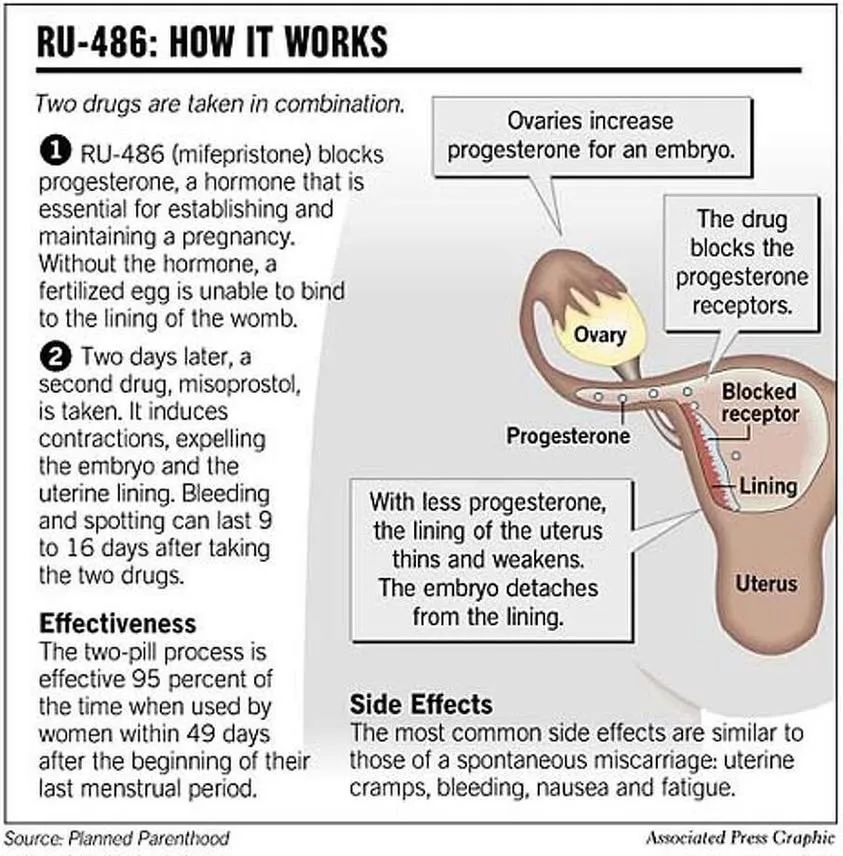
Even if you care only about medicine decisions involving the uterus, you should still oppose the FDA. For example, the FDA banned access to the abortion drug RU-486 (mifepristone) for _13 years_ after it had been approved in Europe. FDA regulations also prevent sale of birth control pills Over-The-Counter (OTC) in the US (even though they are available OTC in many other countries).
And it's not just the FDA. Medical licensure laws limit access to medical care only from government approved providers, at government approved clinics and hospitals. Certificate of Need laws give existing hospitals the power to dictate whether new hospitals and clinics are allowed to be built. The supply of physicians and nurses is strictly controlled by the number of medical school slots, which in turn is determined by the medical trade unions.
The DEA bans access to many drugs (MDMA, LSD, mushrooms, and DMT among many others) that show great promise in the treatment of mental illness, such as depression, anxiety, and PTSD. Many reports suggest that ibogaine can successfully break addiction to heroin. And healthy recreational users of psychedelics often report their experiences as the "most meaningful of their lives".
The nominal constitutional justification for the FDA, DEA, and the rest of the alphabet soup of federal regulatory agencies is an extremely broad reading of the Interstate Commerce Clause, which the Supreme Court has interpreted to apply even to products produced privately for own's use on one's own property, because not buying may affect the market price nationally, and therefore constitutes "interstate commerce".
And it has been _progressive_ politicians and justices who most vociferously defend this broad reading of the Commerce clause. See for example, the Gonzalez v. Raich decision, in which all of the progressive Supreme Court justices (and that hypocrite Scalia) sided with the federal government's ban on medical marijuana grown on one's own farm for one's own use in a state where it is legal.
If you live in a state that has banned abortion, you can go to a state where it is legal. A somewhat onerous burden, to be sure. But if you want medical care that is banned by the FDA (or other national regulatory bodies), you have to go completely outside the US. (Assuming it is available at all outside the US.) Or buy on the black market.
Will progressives behave consistently, and oppose these government intrusions into our medical decisions? It's doubtful. But at least if you have read this, you can't say that you didn't know.
If so, may I point out that the FDA meddles in the treatment of _every_ disease in the US. New drugs and medical devices must go through a multi-million dollar drug approval process. Many potentially helpful medicines are abandoned early in the development process because the market for the drug is too small to justify the regulatory approval costs.
The FDA also bans the sale of of much cheaper drugs from overseas pharmacies. (Though they don't typically go after people who buy "personal use" amounts, they vigorously go after their suppliers.)
Even the supply of generic medicines are regulated so heavily that companies can jack up the prices for generics for years, as it takes that long for other companies to get through the approval process. This was how Turing Pharmaceutical was able to jack up the price of Daraprim from $13 to $750/pill, even though the drug has been on the market since 1952.
Even if you care only about medicine decisions involving the uterus, you should still oppose the FDA. For example, the FDA banned access to the abortion drug RU-486 (mifepristone) for _13 years_ after it had been approved in Europe. FDA regulations also prevent sale of birth control pills Over-The-Counter (OTC) in the US (even though they are available OTC in many other countries).
And it's not just the FDA. Medical licensure laws limit access to medical care only from government approved providers, at government approved clinics and hospitals. Certificate of Need laws give existing hospitals the power to dictate whether new hospitals and clinics are allowed to be built. The supply of physicians and nurses is strictly controlled by the number of medical school slots, which in turn is determined by the medical trade unions.
The DEA bans access to many drugs (MDMA, LSD, mushrooms, and DMT among many others) that show great promise in the treatment of mental illness, such as depression, anxiety, and PTSD. Many reports suggest that ibogaine can successfully break addiction to heroin. And healthy recreational users of psychedelics often report their experiences as the "most meaningful of their lives".
The nominal constitutional justification for the FDA, DEA, and the rest of the alphabet soup of federal regulatory agencies is an extremely broad reading of the Interstate Commerce Clause, which the Supreme Court has interpreted to apply even to products produced privately for own's use on one's own property, because not buying may affect the market price nationally, and therefore constitutes "interstate commerce".
And it has been _progressive_ politicians and justices who most vociferously defend this broad reading of the Commerce clause. See for example, the Gonzalez v. Raich decision, in which all of the progressive Supreme Court justices (and that hypocrite Scalia) sided with the federal government's ban on medical marijuana grown on one's own farm for one's own use in a state where it is legal.
If you live in a state that has banned abortion, you can go to a state where it is legal. A somewhat onerous burden, to be sure. But if you want medical care that is banned by the FDA (or other national regulatory bodies), you have to go completely outside the US. (Assuming it is available at all outside the US.) Or buy on the black market.
Will progressives behave consistently, and oppose these government intrusions into our medical decisions? It's doubtful. But at least if you have read this, you can't say that you didn't know.